Price in this list follows how much of the room a color covers: napkins, a single runner or a sage cake sit at the low end, while a full emerald table setting with gold accents costs the most, so I would match the pick to how much of the space you control.
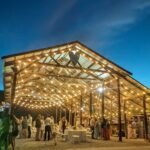
If your venue already has trees, a garden or a stone wall, let it supply the green and spend only on small pieces such as sage napkins on white linens. 3 colors is the limit for any of these palettes.
1. Emerald Green & Gold
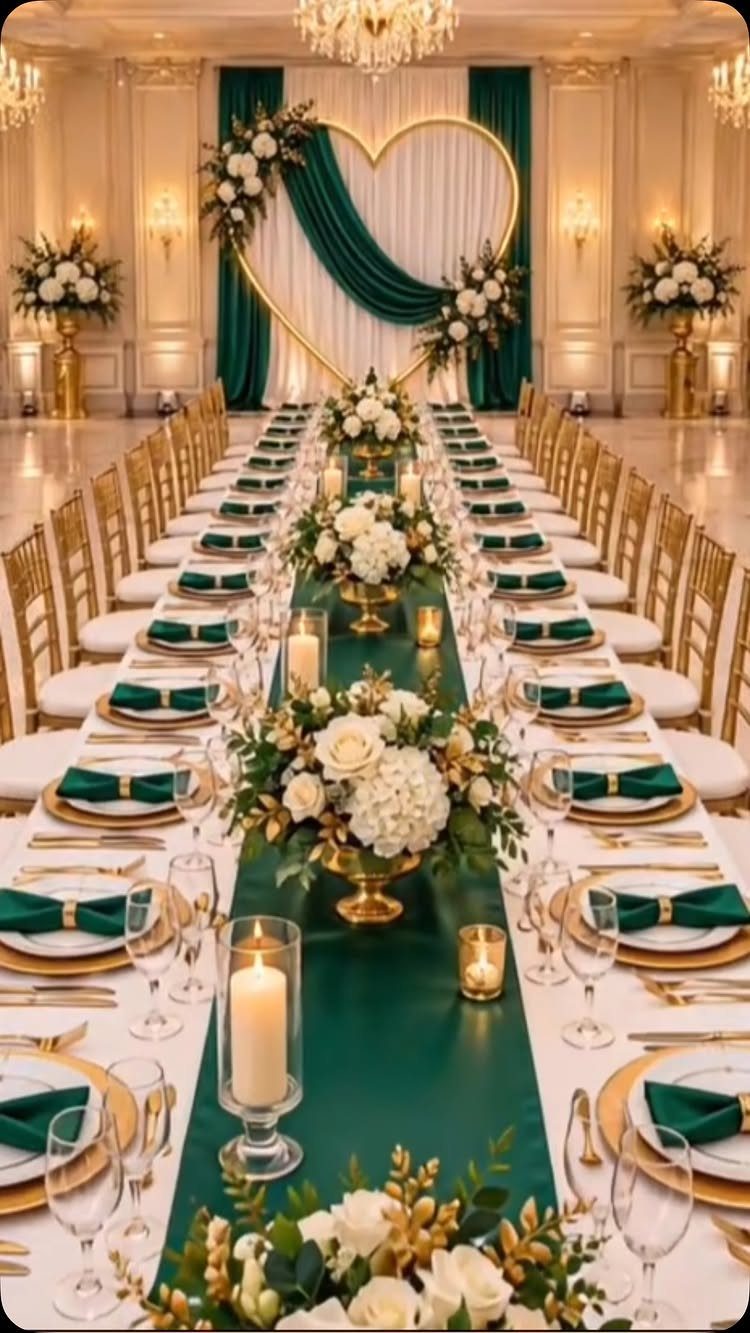
Emerald is a deep color, so gold has to stay in a supporting role. Keep the gold to candlesticks, charger plates and one backdrop, with green runners and drapery carrying the room.
White florals are the right call for the centerpieces. They give the dark green somewhere to rest, and they keep the gold from tipping into heavy.
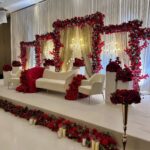
A statement backdrop like the heart shape is where I would spend first, since it frames every photo. Trim the budget on the table, not on that.
2. Olive Green
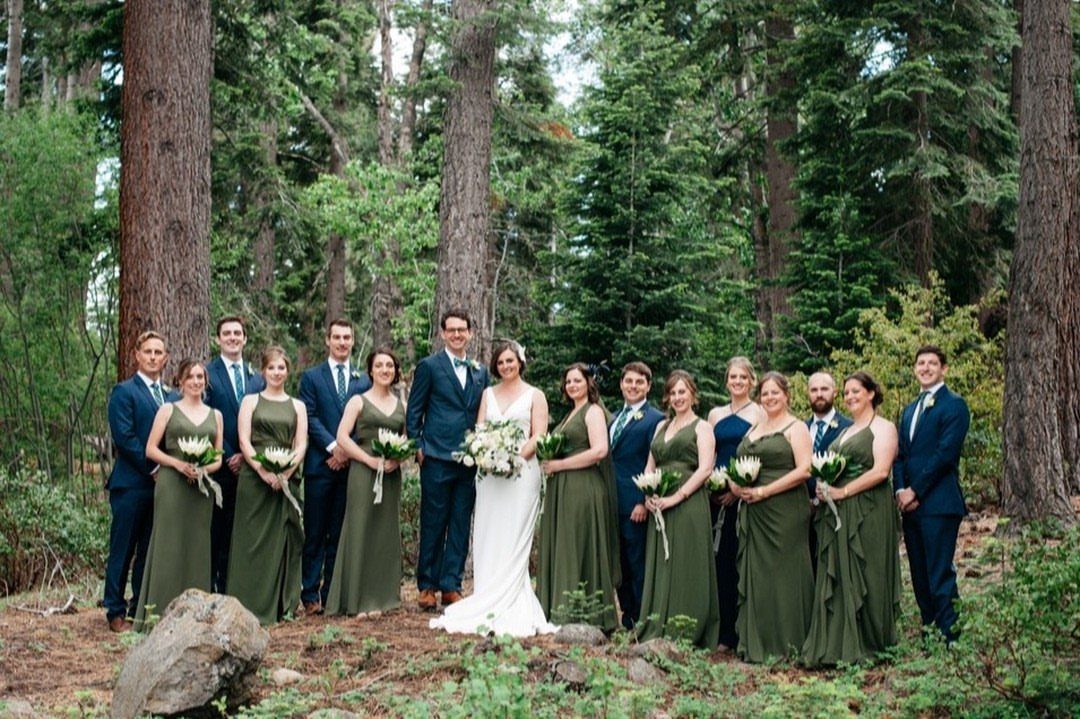
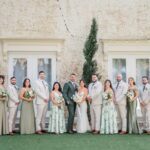
Olive reads earthier than sage and quieter than emerald, which is why it works on bridesmaids in a forest or garden setting.
Navy suits on the groomsmen make a sharp pairing, and I prefer that over matching green on both sides.
For a modest budget, dresses are the easiest place to use it. Buy in one dye lot if you can, because olive shifts noticeably between fabrics.
Add olive to the table through napkins or greenery, so the party and the room feel connected.
3. Emerald Green Table Setting
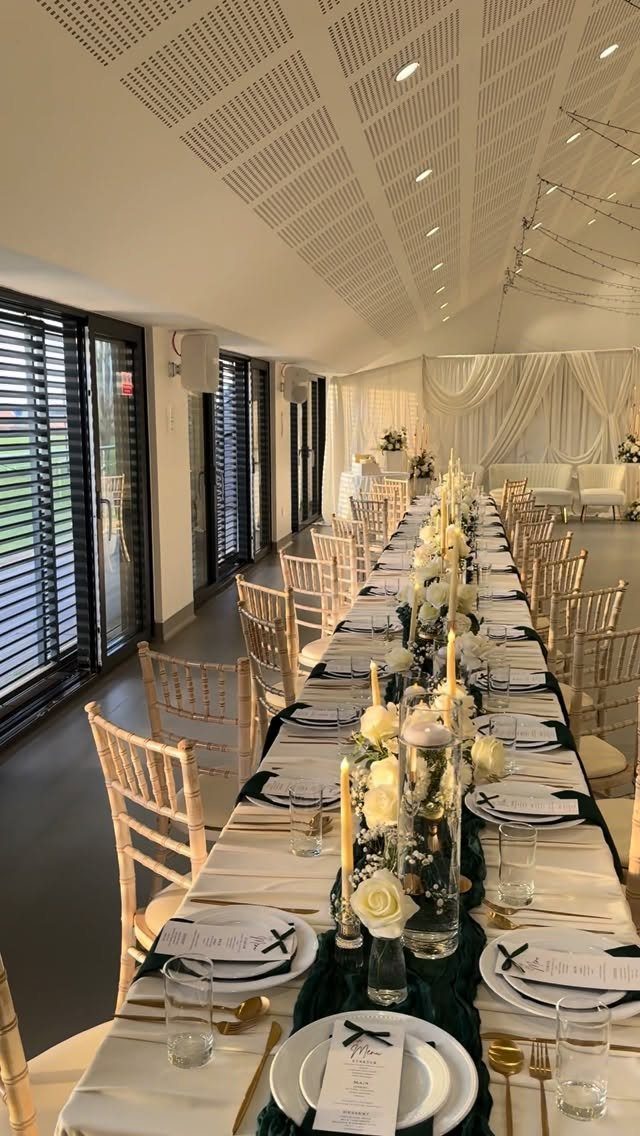
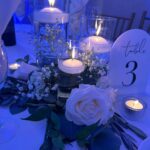
A single emerald runner down white linens does more than a full green tablecloth, and it costs far less. Pair it with white roses and gold cutlery and the table looks planned down to the fork.
Stay disciplined: 3 colors, repeated at every seat. White chairs and plain draped walls let the runner be the one strong note.
If you want one extra layer, add candles in the center, but keep the runner visible.
4. Sage Green Wedding Cake
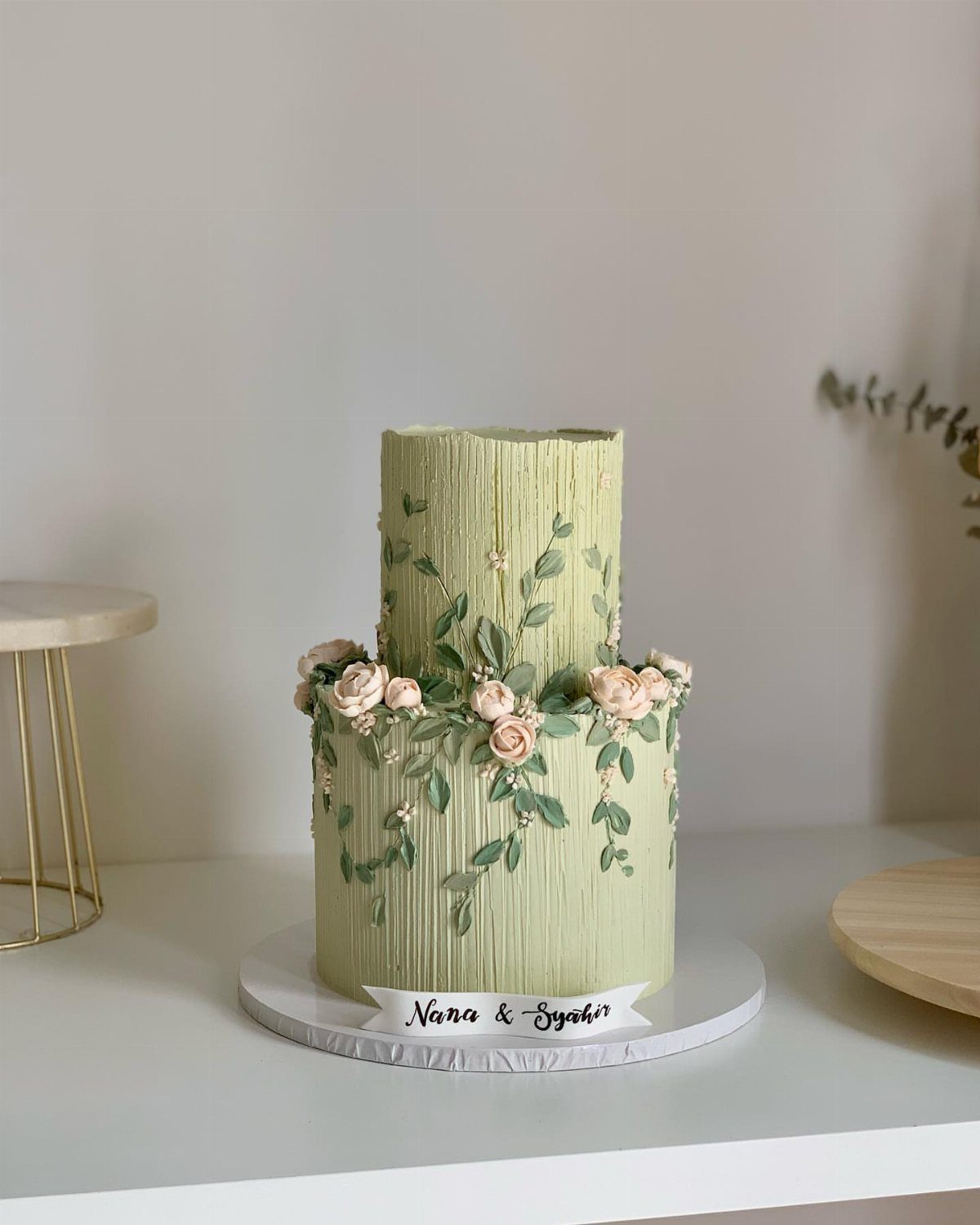
A ribbed sage cake gets its look from texture, so you can skip heavy decoration.
Ask your baker for the sage shade in a swatch or photo, since green buttercream can turn minty or gray. Match the roses to your bouquet so the cake feels part of the day.
2 tiers is plenty for a small guest list, and it keeps the cost down. A name ribbon is a sweet, cheap personal touch.
5. Sage Green & Soft Ivory
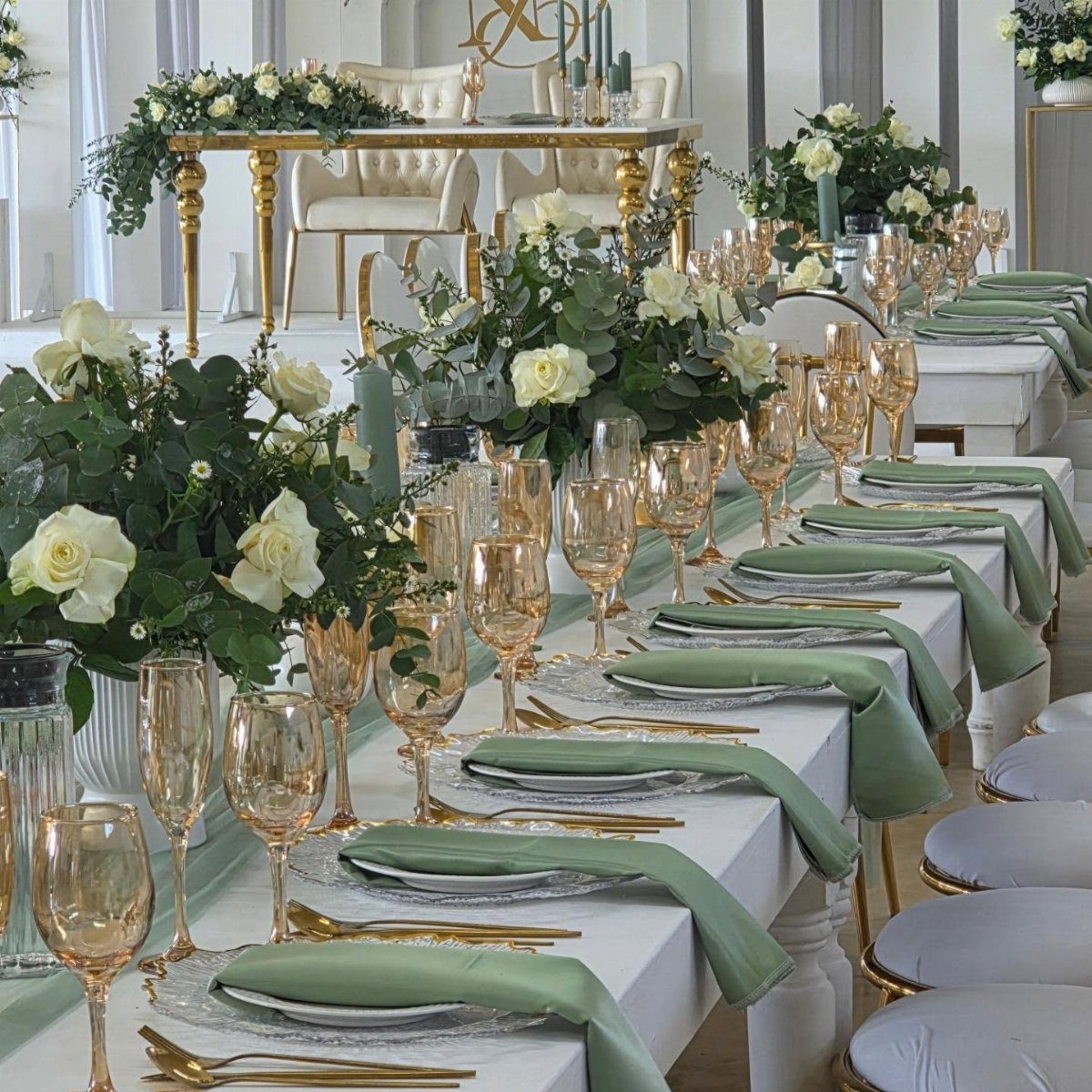
Sage napkins on white linens are the cheapest way into this palette. Napkins are small, rented or bought by the dozen, and they carry the whole green note.
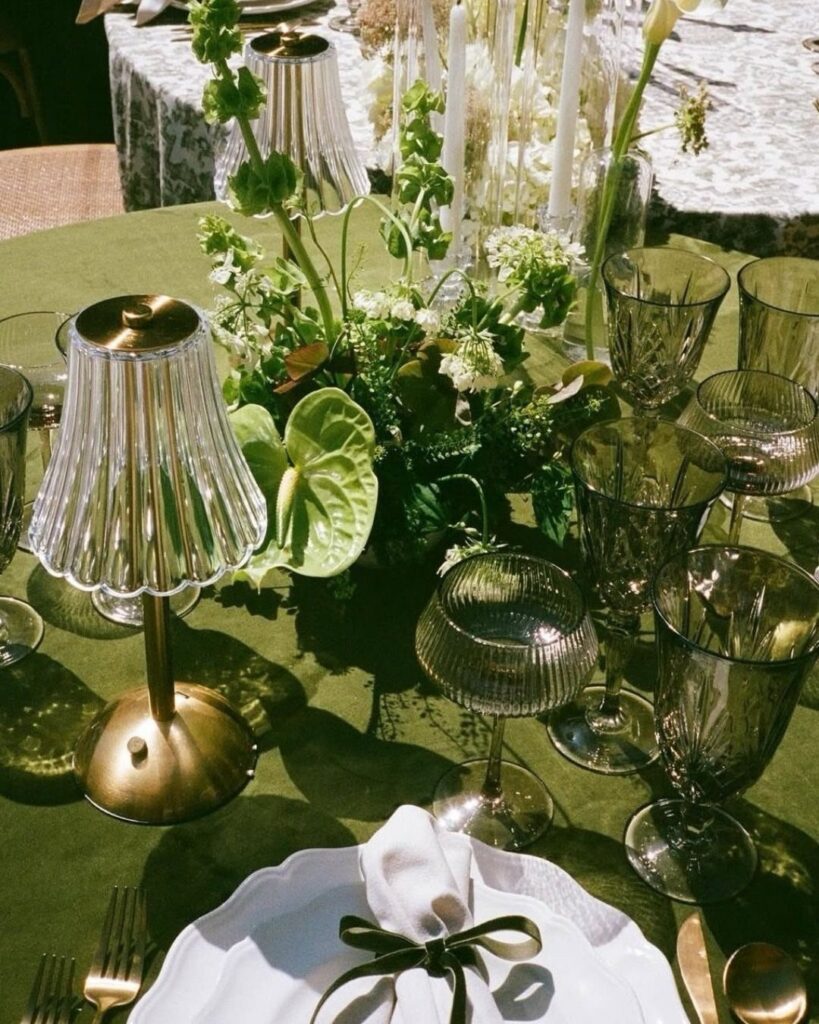
Ivory roses and plain greenery keep it soft. Gold-tinted glassware is what I would add, because a little warmth stops a sage and ivory table from feeling washed out.
Choose a bright venue if you can. Pale colors need daylight to look like anything.
6. Green & Soft Blush
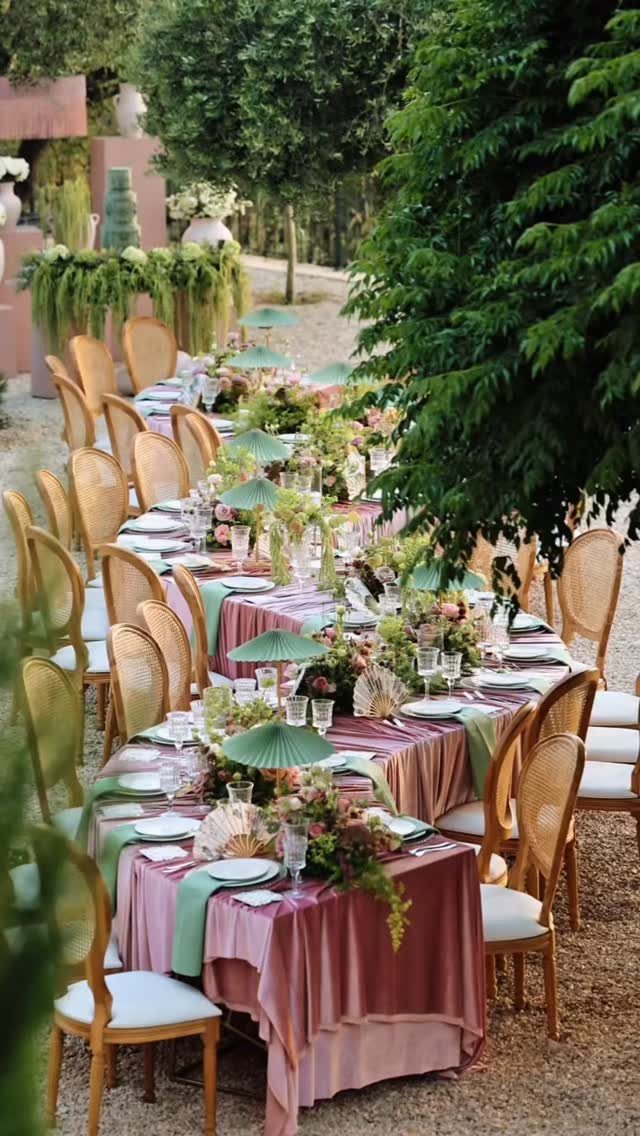
Blush and green are both soft, so the pairing feels easy rather than sugary. Blush tablecloths with sage green napkins give you a clear split: pink below, green on top.
Pink floral centerpieces tie the two together. For an outdoor reception, green parasols are a clever extra, adding shade and color in one move.
Cane chairs and surrounding trees do much of the work, so don’t overbuy decor. Let the green outside be part of the palette.
7. Sage Green and Dusty Blue
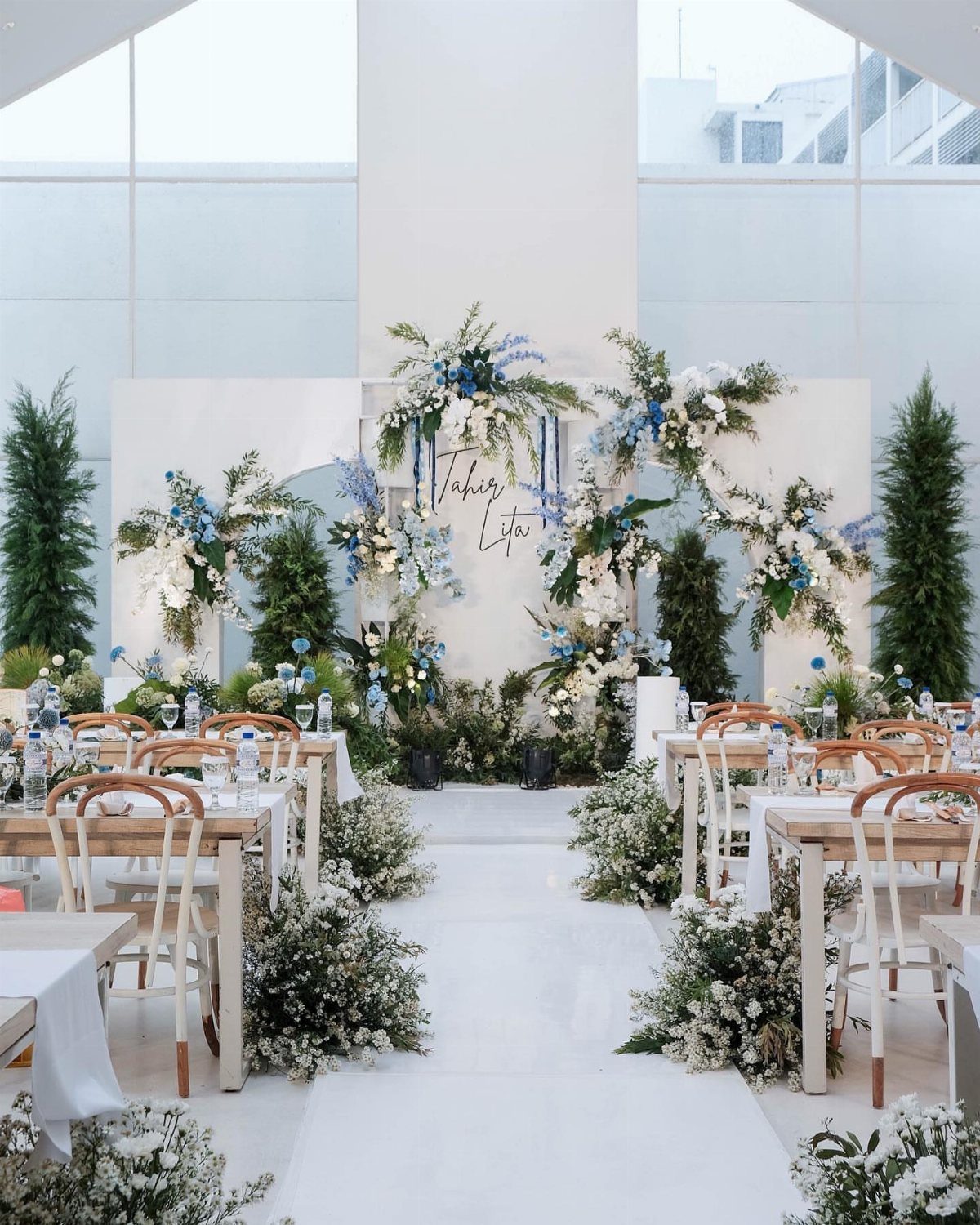
Sage and dusty blue sit close enough in tone that they blend rather than clash, so white has to do the sorting.
White tables and chairs give sage and dusty blue a clean ground, and that is the cheapest way to hold the whole look calm.
Let the flowers carry the blue and the foliage carry the sage. Blue and white blooms with plenty of green leaves means you buy one florist stem color instead of three, and the greenery fills out the arrangement for less.
I would keep the backdrop simple and personalized with your names, since it frames every photo. Spend there before adding more color to the tables.
Why Green Works in Weddings
Green works as a base color and as a neutral, which is why it sits comfortably next to almost any other palette. It also connects to the natural things already in a venue: flowers, wood textures, outdoor views.
It photographs well too, giving the whole day a rich but balanced backdrop. If your venue has wood tables, a stone wall or a garden, green will sit with them instead of competing.
For a modest budget, that matters. If the venue already has greenery, trees or a garden backdrop, let it do the heavy lifting and put your decor money into a handful of pieces in the green you chose.
Green’s Versatility
Green can anchor a palette without boxing in the colors around it, and that is useful on a deadline. Linens usually get ordered months before the florist locks in flowers, so you want a base that tolerates change.
Burgundy dahlias from a florist working late in the season can slide into a blush and sage palette and give it a deeper, moodier edge.
Emerald and gold still looks right if orchids stand in for roses, since the deep green and metallic warmth do most of the work.
My advice: order the green pieces first, then leave the accent color open until the flower order is final. That way a late change at the florist never sends you back to redo the linens.
Frequently Asked Questions
Can you wear pale green to a wedding?
Yes, for bridesmaids and the bride alike. A bride in soft sage or mint looks current, and bridesmaids in one shade of green, bought from a single dye lot, keep the group looking matched.
What is the 60-30-10 rule for creating a color palette?
I can’t give you that rule’s exact proportions from my own notes, so I work from a simpler principle: limit the scheme to 3 colors and repeat them at every seat.
One strong note, such as an emerald runner on white linens, lets the other two colors stay quiet.
What are some creative ideas for a green wedding theme?
A single emerald runner over white linens, paired with white roses and gold flatware, looks deliberate and runs well under the price of green cloths on every table.
Green parasols handed out at an outdoor ceremony cover shade and color with one purchase.
Greenery such as eucalyptus, ivy and ferns can also fill hanging backdrops, arches and cascading centerpieces, and potted plants or live-plant favors keep the look natural.
What is the most beautiful color for a wedding?
Green is my pick for the most beautiful wedding color: it anchors a palette and behaves almost like a neutral, so it sits comfortably beside nearly any other shade.
It also ties in with flowers, wood and outdoor views already at the venue, and it photographs with a rich but balanced backdrop.