The ideas here run from nearly free choices, like picking a venue with exposed beams or polished concrete floors, to rentals such as curved tables and clear acrylic chairs that can cost more than standard rounds.
Venue decides how much decorating you actually pay for: a warehouse, meadow or forest clearing already does most of the work, so the budget can go to one focal point like a dramatic arch, while a plain hall needs lighting, a neutral palette and a few simple florals to fill the gap.
1. Ceremony Decor with Natural Greens
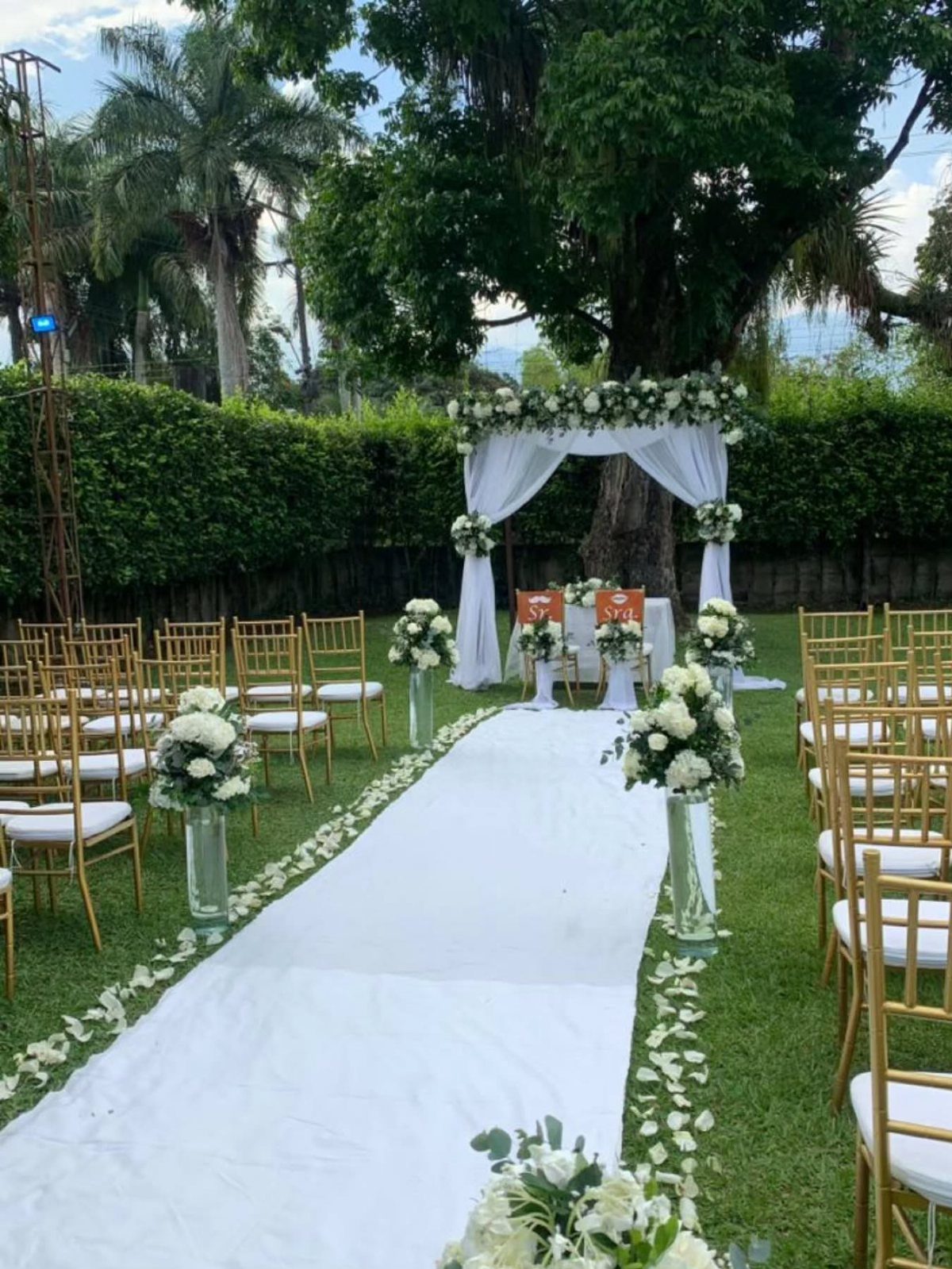
A white fabric arch dressed with white flowers and greenery does most of the ceremony’s work on its own. Spend the flower budget there, since every guest faces it for the whole ceremony.
Leave the aisle and chairs plain. A white runner and gold chairs on green grass already read as finished, so extra petals or chair bows would only crowd the picture.
A pair of small tables with a name sign each is a cheap way to add a personal touch without adding clutter.
2. Unadorned Wedding Cakes
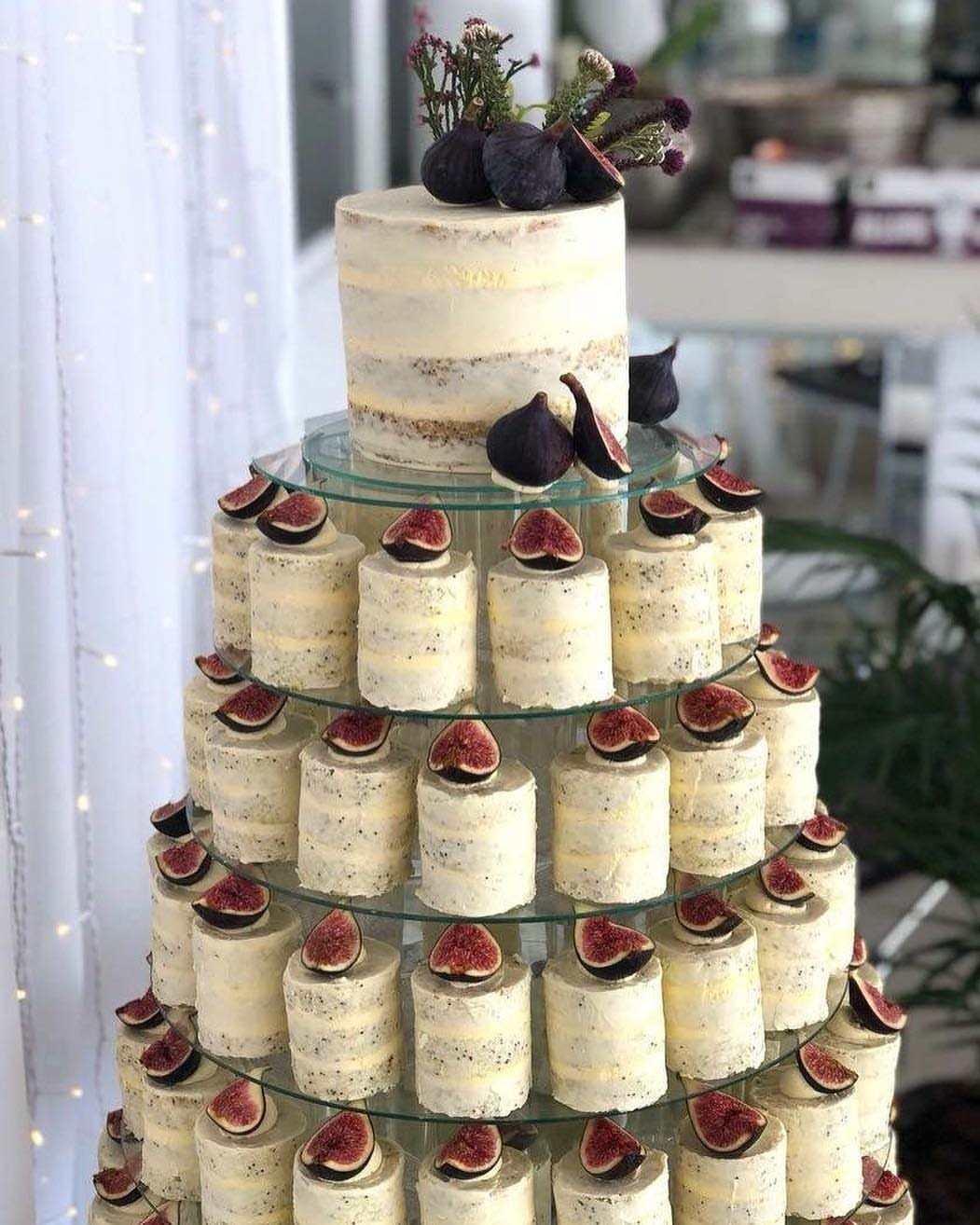
Small semi-naked cakes, with the sponge showing through a thin scrape of frosting, cost less to decorate than fully iced tiers because the finish takes less labor. Fresh figs and flowers on top supply all the ornament.
Ask your baker for several small cakes instead of one tall stack.
Glass shelves work well for unadorned cakes, because each tier stays visible from every side and the cake reads as part of the decor instead of something parked on a table.
I would pick figs and a few blooms over sugar work every time.
3. Neutral Color Palette
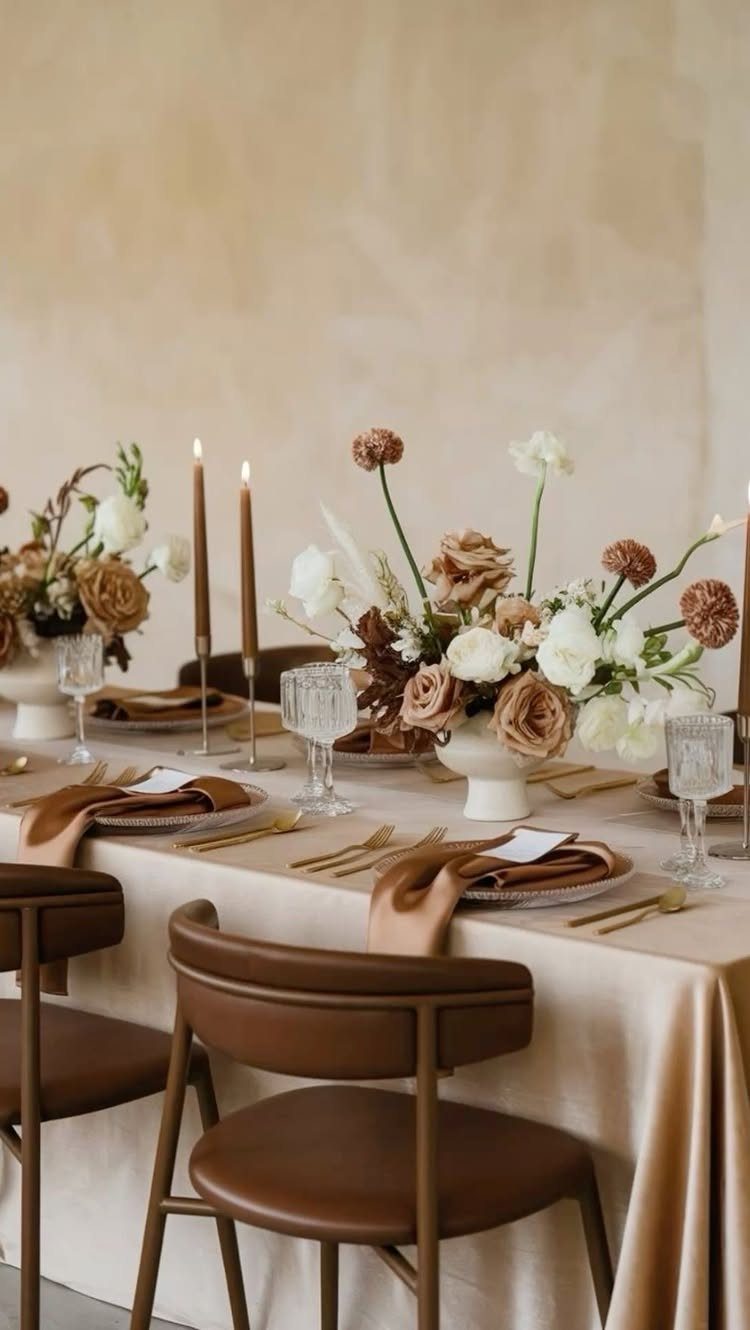
Nothing competes, so the table looks calm.
Choose 3 or 4 shades and stop.
Let texture carry the variety: linen against leather, wax against metal. Florals in the same soft range keep the scheme from going flat.
If the room has dark walls or poor light, I would nudge the palette warmer so it doesn’t look gray in photos.
4. Minimal Benches
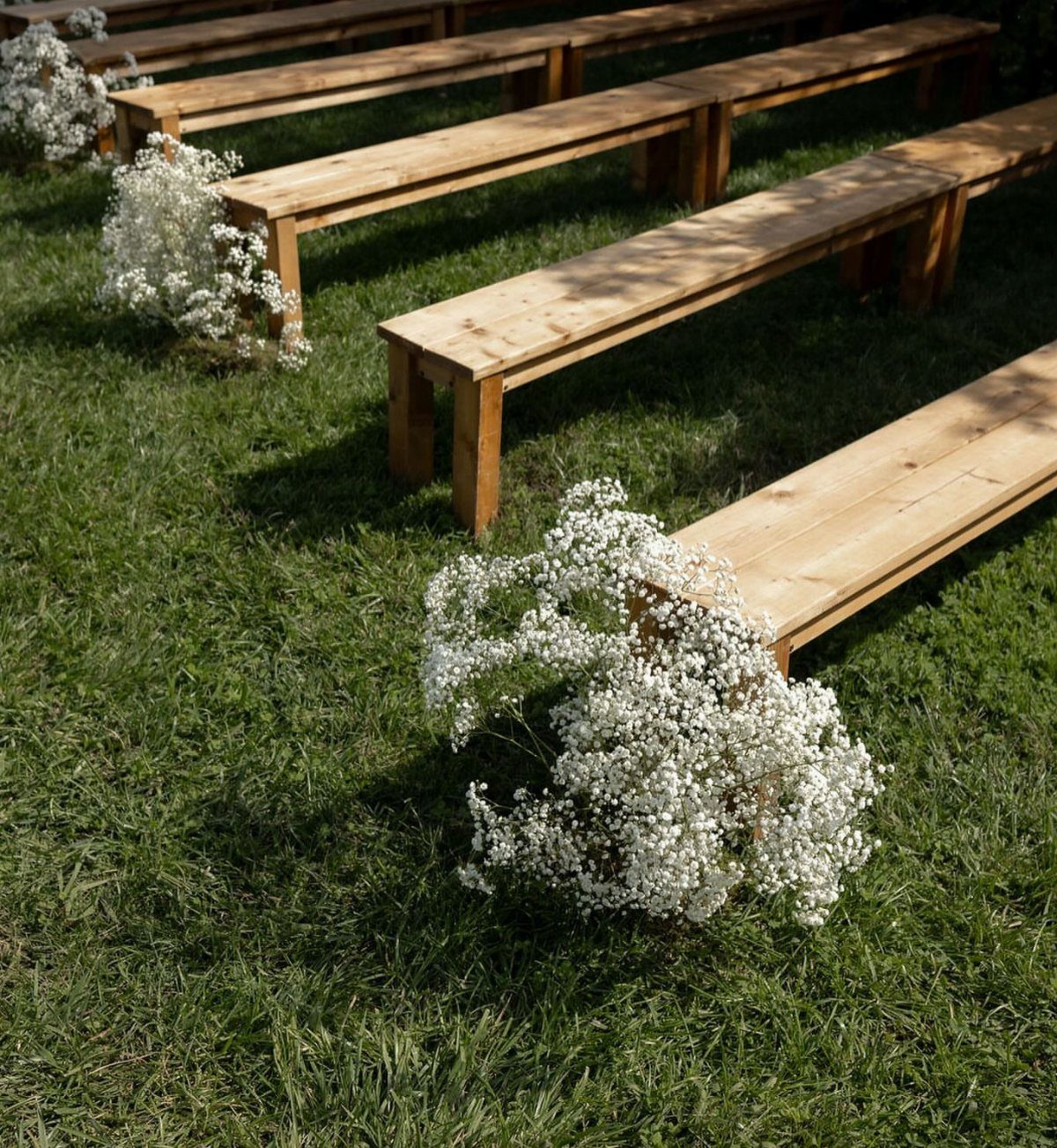
Plain light wooden benches in place of rented chairs give a lawn ceremony a clean, quiet look, and a few clusters of baby’s breath at the ends of some benches are all the dressing they need.
Baby’s breath is an inexpensive filler flower, so you can tuck a bunch on every second or third bench instead of every one. Skipping rows keeps the cost down and the lines uncluttered.
Set the rows straight and evenly spaced on level grass.
5. Simple Wedding Table Decor in Muted Blush
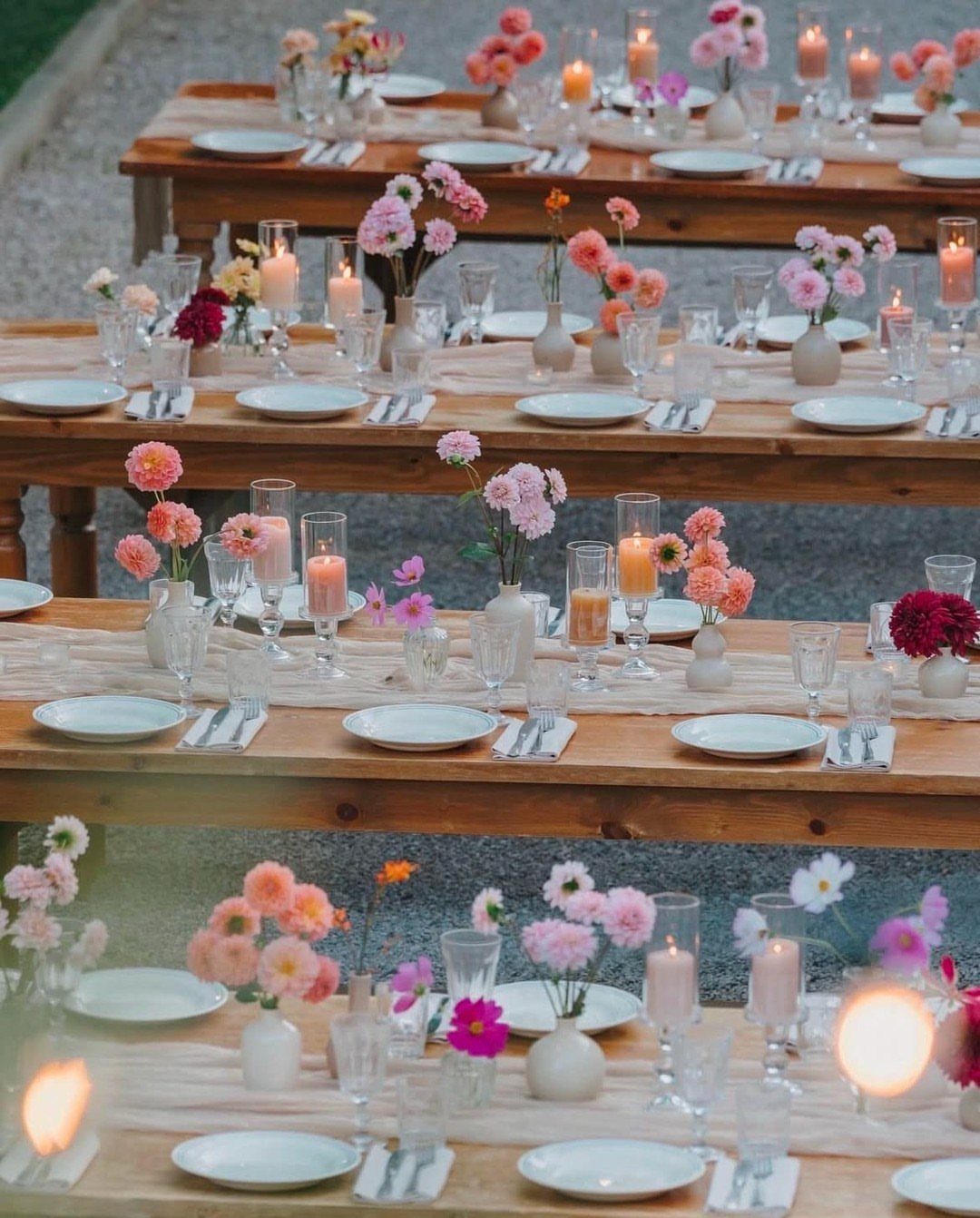
Muted blush works best as an accent against beige runners and white plates, not as a flood of pink. Small vases of blush flowers, spaced along each long table, are enough.
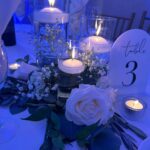
Beige, white, muted blush and grey all sit well together, so you can mix them without much planning. Add candles of different heights and the tables glow at dinner.
Small vases are also easy to refill or swap if a flower runs short. I prefer many little ones to a few big arrangements.
6. Mono-Toned Flowers
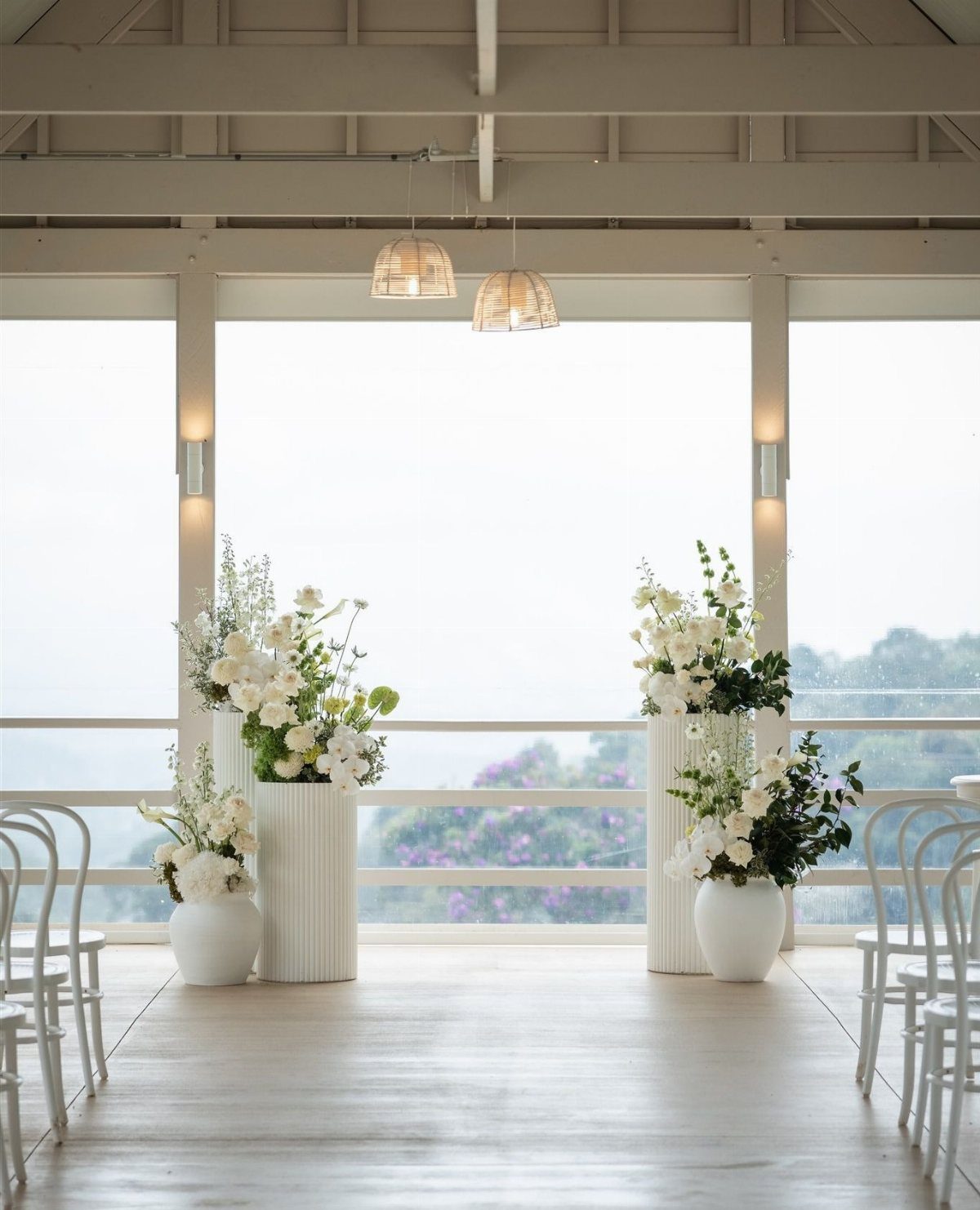
One color, one vase style: that is the whole rule. All-white flowers in matching white vases look deliberate, and a bright pavilion lets them stand out without help.
Mono-toned bouquets are simpler to order, since you can ask a florist for a single color and trim the number of varieties. Raising the arrangements on pedestals gives them presence without adding more stems.
I would vary the shapes of the blooms, not the color, so the group still has some depth.
7. Lighting
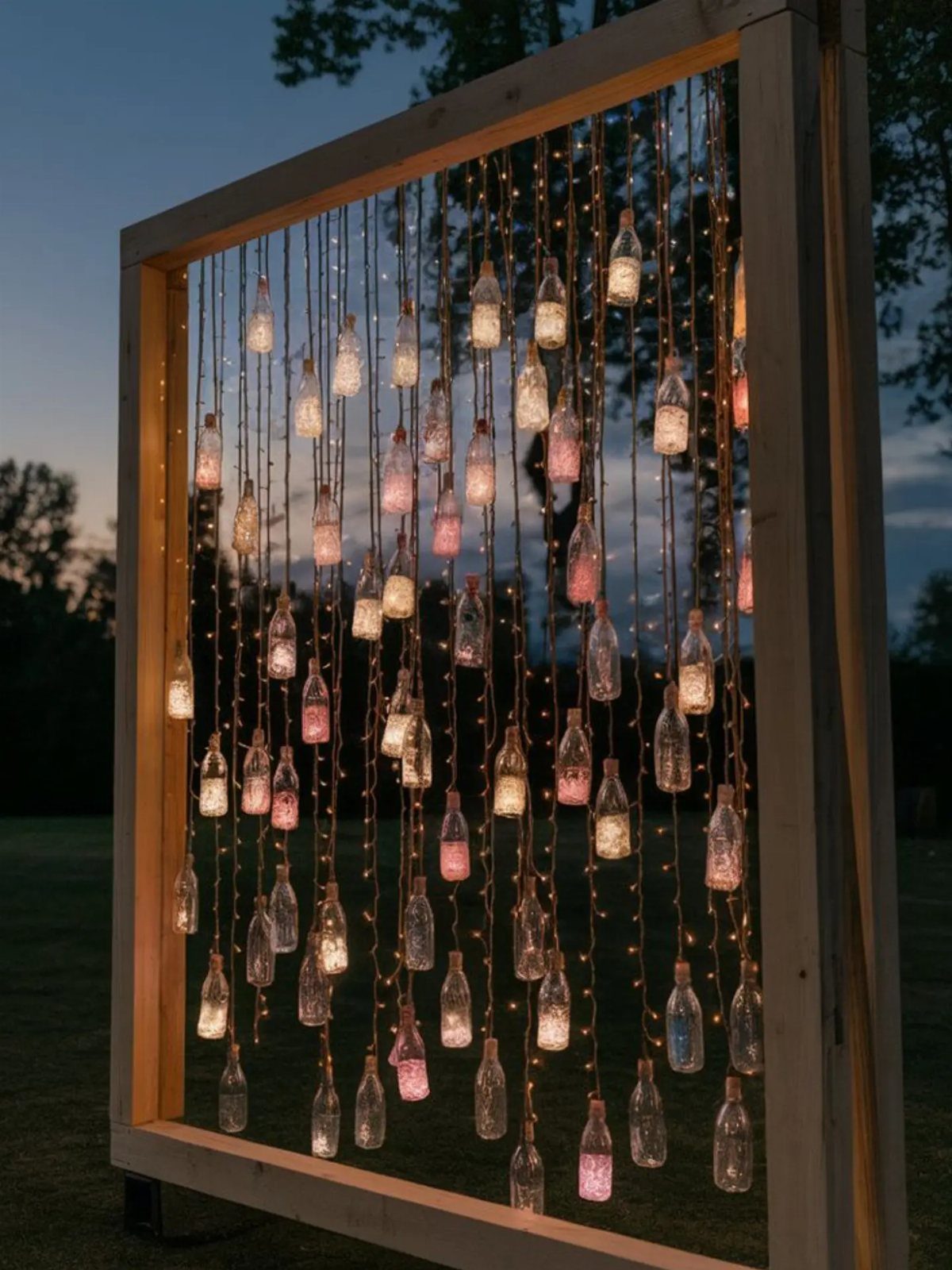
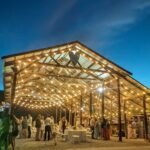
Strings of fairy lights and small glass bottles hung from a plain wooden frame give an outdoor reception its glow without a single extra decoration.
Frosted or tinted bottles around a lit frame soften the glow, so the light reads warm instead of harsh.
Dusk is when this works best, so time the dinner to start as the sky dims.
Place the frame where guests walk or gather, near the bar or at the edge of the dance area, and let trees and grass do the rest.
I would spend on lights before flowers here.
8. Dramatic Arch
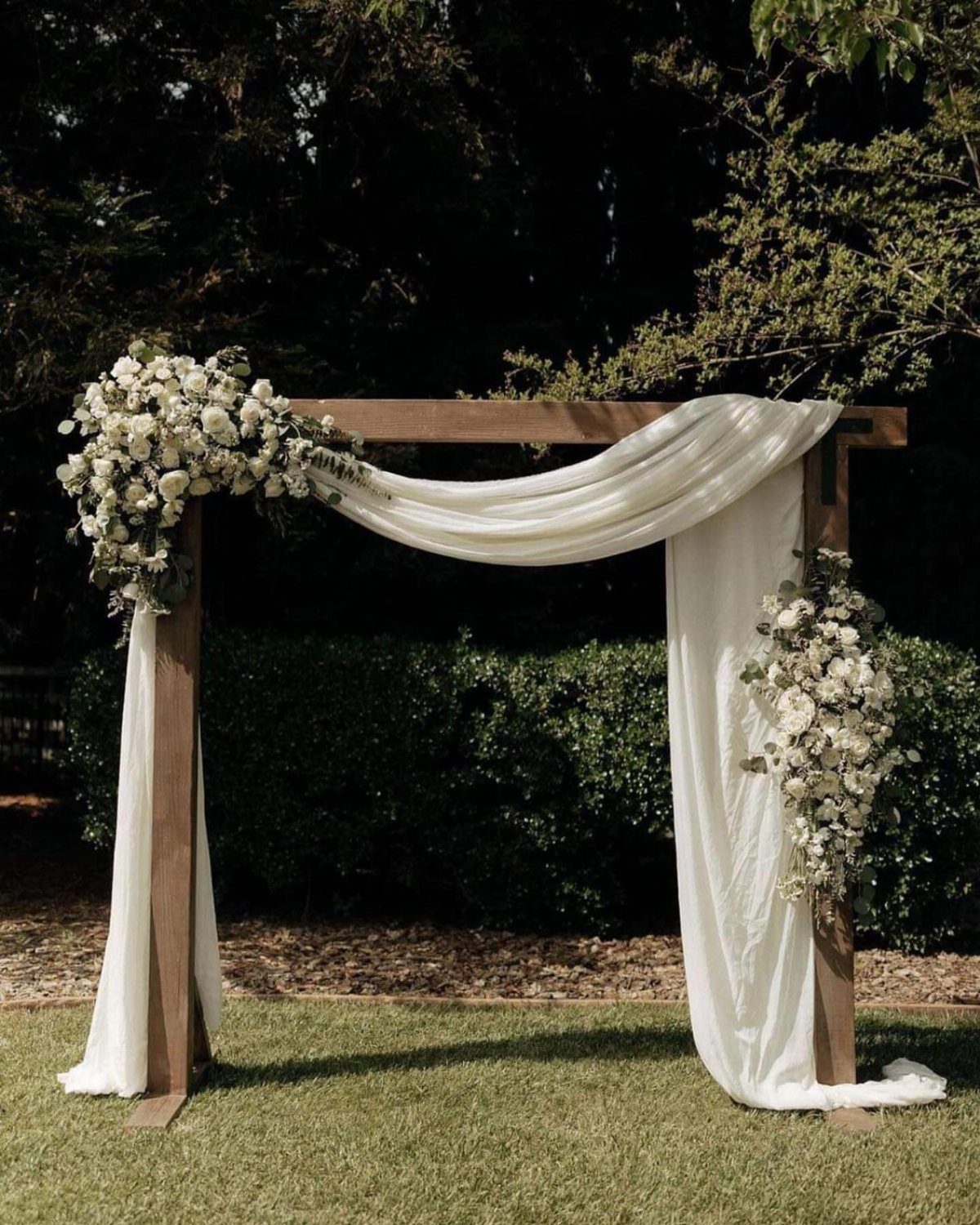
Keep the palette to white, and leave the wood frame bare so it shows.
Against dark green foliage, white reads sharply, so place the arch with trees behind it. Put the flowers in a few large clusters instead of spreading small stems along the frame; that costs less and looks bolder.
Drape the fabric loosely and let it hang. I like it a little uneven.
9. Geometric Shapes in Decor
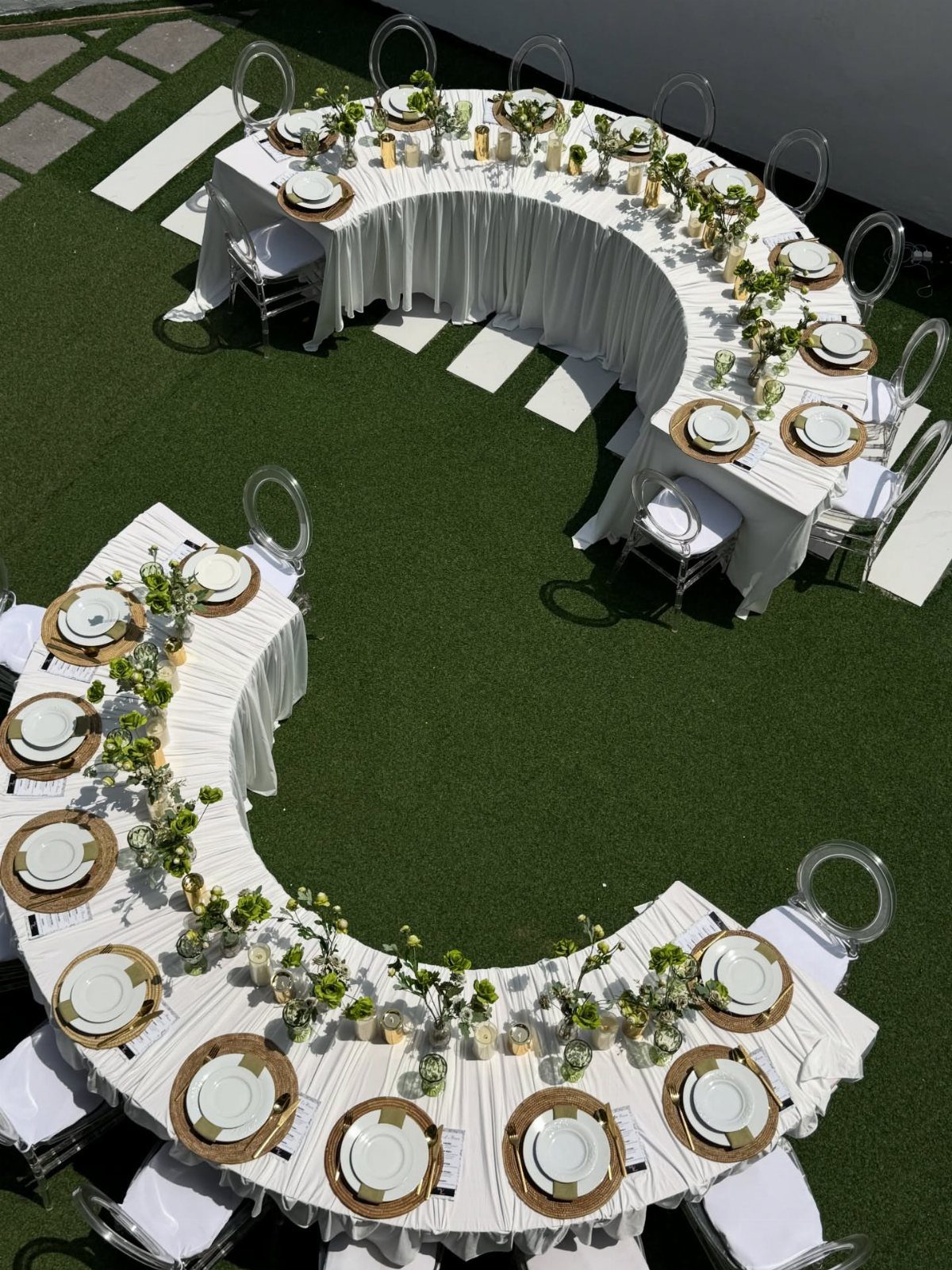
Curved, crescent-shaped tables are a plain way to bring geometry into a reception. The shape does the decorating, so plates, glassware and a few flowers are enough on top.
Pair them with clear acrylic chairs, which keep the lines of the tables visible and add no color. White curves stand out best against green grass, so an outdoor lawn does half the work for you.
Rentals for unusual table shapes can cost more than standard rounds, so ask for prices early. If money is short, I would use the shaped tables for the head table only.
10. Bare Wood Tables and Signs
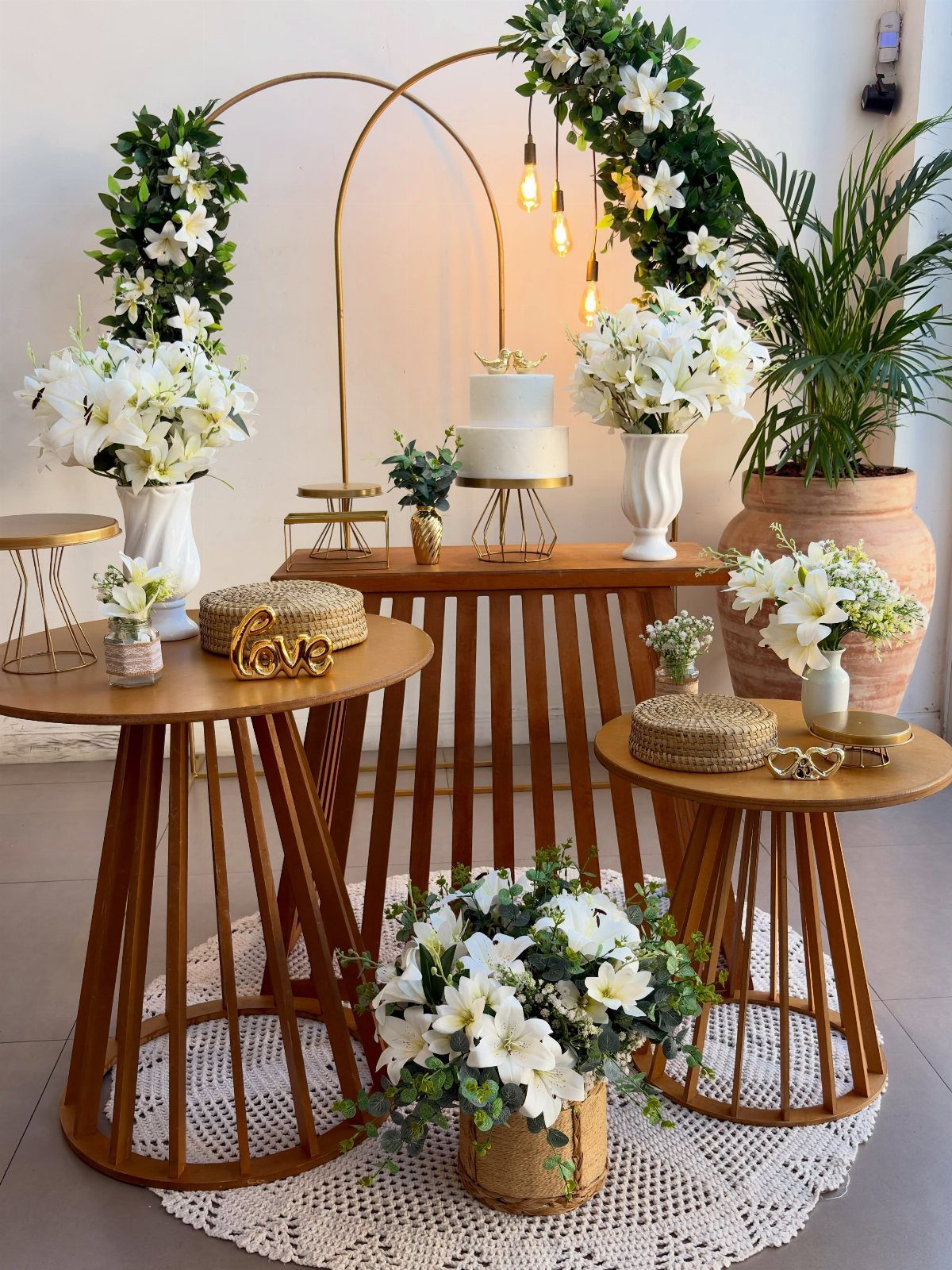
Bare wood tables bring warmth to a white-and-gold room, and a few at different heights give you a display without extra props. White lilies, a white cake and one gold "Love" sign are enough to fill them.
Vary the table heights so the eye moves up and down instead of across a flat line. Keep the wood unpainted and unlinened; it is the decoration.
I would limit signs to one or two words, since a single gold sign reads cleaner than a row of them.
11. Minimalist Invitations
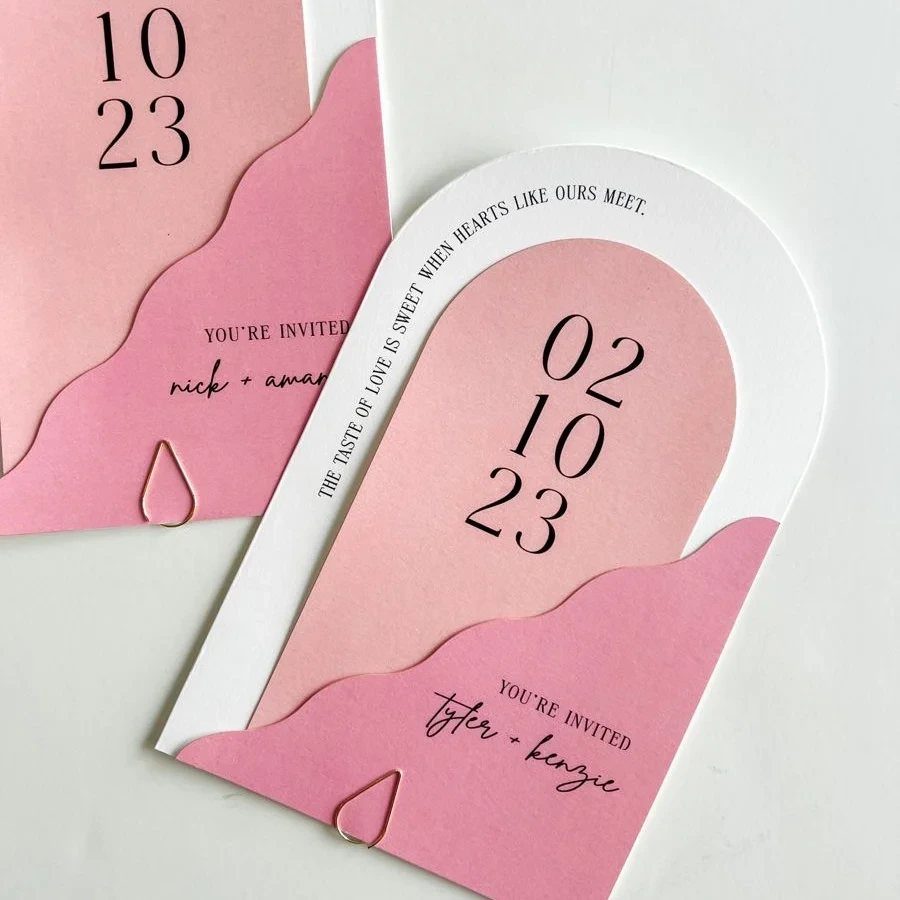
Arched invitations in layered pink and white paper look designed without much ornament. The shape carries the look, and clean black type keeps it modern.
Set the names, the date and a single line of text, then stop. Layering 2 paper tones adds depth for little extra cost compared with foil or embossing.
Choose a sans-serif typeface in one weight, or two at most, so the type stays calm. I would proof the date twice before printing.
Benefits of Minimalism
Minimalism saves money mostly by shrinking the order sheet: smaller floral orders, fewer rentals and less catering add-ons mean fewer line items to pay for.
Fewer decisions also means fewer vendor emails, fewer deadlines and fewer things to go wrong the week before. Planning gets lighter, and I think that shows on the day, when you have the attention left to enjoy it.
With fewer disposable pieces on the tables, the cleanup crew has far less to carry out once the last song plays.
Photos benefit too. With less competing for attention, the frame stays on the two of you and your guests, and a pared-back look tends to age well.
Choosing the Right Venue
Pick the venue first, because a good one does the decorating for you.
An empty warehouse with 4 walls, a roof and a plain floor already works as a backdrop, so you can add very little and still have it look finished.
If your taste runs more organic, look at a forest clearing, a wide meadow or a spot facing an open view. The scenery fills the space, so your budget stays free.
Inside, look for strong architecture: exposed beams, large windows or polished concrete floors all count as decor you never pay for.
Leave wide open areas around the furniture so the room can breathe.
Long shared tables dressed in simple linen beat heavy tablecloths in my book, and lining them up in a mirrored pattern looks more deliberate than scattering them around the room.
Budget Considerations
Minimalist wedding decor is about choosing fewer things and making each one count, though the savings usually follow.
Write down your top 2 priorities before you price anything, then check every decor item against them. If an item serves neither, cut it.
Reusable pieces beat throwaway ones. They cost less to replace and leave less waste, which is kinder to your wallet and the planet.
Frequently Asked Questions
How to do a minimalist wedding?
Pick the venue first, then spend only on the few things guests see most. A space with strong architecture or open scenery, like exposed beams, big windows, a meadow or a forest clearing, decorates itself.
Write down your top 2 priorities before pricing anything and cut any item that serves neither. A short list of rentals and flowers also trims the vendor email chain and leaves less to fix in the final week.
What is a good neutral color palette for a minimalist wedding?
Beige, white, muted blush and grey sit well together and need little planning.
Cap the palette at 3 or 4 shades, and let the flowers stay inside that soft range so the room keeps some depth. Dark walls or weak lighting call for warmer tones, since cooler ones tend to read as gray on camera.